Root Canal Beverly Hills for Cracked or Damaged Teeth
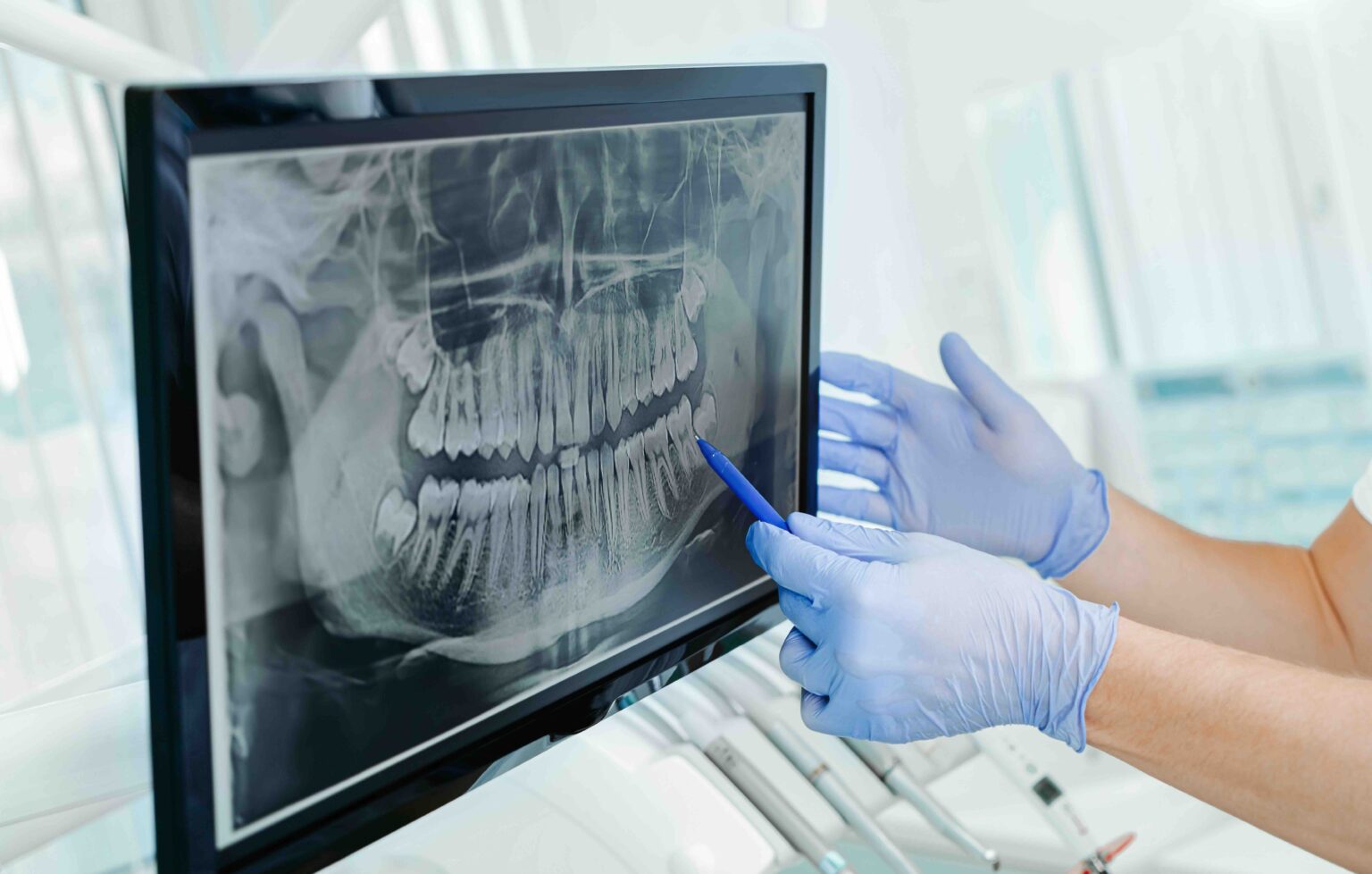
A cracked tooth can be deceptive. Some patients walk in with sharp pain when they bite into a salad, a nut, or a piece of crusty bread. Others feel almost nothing at first, then weeks later they develop lingering sensitivity to cold, swelling near the gumline, or a dull, hard-to-place ache that keeps returning. Damage inside a tooth rarely announces itself in a tidy, predictable way. That is one reason treatment decisions around cracks and deep structural damage require judgment, not guesswork.
When a tooth has been compromised deeply enough to inflame or infect the pulp, a root canal is often the procedure that allows that tooth to stay in the mouth. In a place like Beverly Hills, where patients are usually balancing health, function, appearance, and time, preserving a natural tooth matters. The phrase Root Canal Beverly Hills often brings to mind anxiety, expense, and a complicated visit. In practice, the conversation is usually much more practical: can the tooth be saved, will it be comfortable again, and will it remain strong enough to use?
The answer depends on the kind of damage, how quickly treatment happens, and whether the crack extends into a part of the tooth that cannot be predictably restored. That distinction matters more than many people realize.
Why cracked and damaged teeth become root canal cases
Inside every tooth is a soft tissue chamber that contains nerves and blood vessels. In a healthy tooth, enamel and dentin shield that inner tissue from bacteria, temperature swings, and pressure. Once a crack, deep cavity, failing filling, or traumatic injury opens a pathway inward, the pulp can become inflamed. Sometimes the inflammation settles if the irritation is minor. Quite often, especially with deeper cracks or repeated stress, it does not.
A patient may say, “It only hurts when I chew on one side.” That can be an early sign of a crack. Another may describe a cold drink that hurts for a full minute after swallowing. Lingering sensitivity tends to be more concerning than a quick zing. If bacteria enter the pulp chamber, the problem can progress from inflammation to infection. At that stage, the tooth may become extremely sensitive, then oddly quiet as the nerve tissue dies. Silence is not always good news in dentistry.
Cracked teeth are particularly tricky because the visible line on the enamel does not always reflect the true depth of the damage. Tiny craze lines are common and often harmless. A deeper fracture that travels through dentin is different. If that crack reaches the pulp, root canal treatment may be necessary to remove infected or irreversibly inflamed tissue before the tooth can be sealed and restored.
Not every crack means a root canal
This is where patients sometimes receive mixed messages online. A cracked tooth is not automatically a root canal tooth. Many are treated with bonding, onlays, or crowns before the pulp is ever involved. The crucial question is whether the damage has reached a point where the internal tissue can no longer recover.
In real clinical decision-making, a few details carry real weight. The dentist looks at where the crack starts, whether it moves under pressure, how the tooth responds to thermal testing, whether biting reproduces pain, and what imaging shows around the roots and surrounding bone. The history matters too. A tooth that recently received a large filling and now hurts to chew may behave differently from a tooth that fractured after years of clenching and grinding.
Patients are often surprised that symptoms can be inconsistent. A tooth may hurt intensely for three days, then calm down. That does not necessarily mean it healed. It can mean the pulp is shifting from inflamed to dying. That is one reason waiting out a damaged tooth can backfire.
The kinds of damage that most often lead to endodontic treatment
In day-to-day practice, some patterns show up repeatedly. A heavily filled molar develops a crack under years of chewing force. A back tooth breaks around an old silver filling. Someone bites down on an olive pit or hard candy and feels a sudden jolt. Another patient grinds through nights of high stress and wakes with a hairline crack that slowly worsens.
The most common scenarios that push a damaged tooth toward root canal treatment include the following:
- A crack that extends into the pulp, causing irreversible inflammation or infection.
- A deep fracture under an old filling or crown, where bacteria have already reached the nerve tissue.
- Significant trauma, such as a blow to the mouth, that disrupts the pulp even if the outer tooth looks mostly intact.
- Extensive decay that undermines the tooth and exposes the pulp.
- Repeated dental work on the same tooth over time, which can gradually stress the pulp until it stops recovering.
This is not simply about pain. Some badly damaged teeth are surprisingly mild in their symptoms. The decision to recommend root canal treatment often rests on whether the tooth still has a realistic path to long-term stability.
What happens during a root canal for a cracked tooth
Patients tend to picture a root canal as one dramatic event. It is more accurate to think of it as a sequence of controlled steps meant to disinfect and preserve the tooth. First, the tooth is numbed thoroughly. Most modern root canal appointments are far more comfortable than patients expect, especially when the clinician has a clear diagnosis and the anesthesia has time to work well.
A small access opening is made through the biting surface or the back of the tooth, depending on location. The inflamed or infected pulp tissue is removed from the internal chamber and root canals. Those canals are shaped, cleaned, and disinfected carefully. Then they are filled with a biocompatible material that seals the space. After the internal portion is complete, the tooth needs a final restoration, usually a crown in the case of a back tooth with structural damage.
The crown phase is not cosmetic window dressing. It is what helps protect a treated tooth from splitting later. A root canal can remove infection and pain, but it does not magically reverse lost structure. That is why the restorative plan matters just as much as the endodontic procedure itself.
If the damage is in a front tooth, the plan may be more conservative depending on how much healthy structure remains. Front teeth do not absorb the same chewing forces as molars, though they present their own aesthetic concerns. In Beverly Hills, where smile appearance carries obvious importance, that balance between function and appearance is part of every serious treatment conversation.
The difference between a saveable crack and a hopeless fracture
This is one of the hardest distinctions for patients to hear. Some teeth can be treated predictably. Others cannot, even when the pain is severe and the patient is highly motivated to save them.
A crack that runs vertically through a root is usually a much poorer candidate for treatment than a crack confined to the crown of the tooth. If the fracture extends too far below the gumline, or if the tooth is splitting into separate segments, long-term success becomes unlikely. In those cases, root canal treatment may not solve the real problem. It may only delay extraction.
Dentists sometimes use magnification, specialized lighting, bite tests, and imaging to sort this out. Even then, there are edge cases. A crack may reveal its true extent only after an old crown or filling is removed. That can be frustrating for patients, but it is part of honest care. Teeth are three-dimensional structures under heavy functional load. Not every answer is visible from the start.
The most experienced clinicians tend to be straightforward about this uncertainty. If a tooth has a guarded prognosis, patients deserve to know before they commit to treatment. Saving a tooth is usually the first choice when it is realistic. Pretending every damaged tooth is saveable is not good dentistry.
Symptoms that deserve prompt attention
People often delay care because the discomfort is intermittent. That is understandable, but damaged teeth rarely improve because they are left alone. They generally worsen in one of two ways: the crack deepens, or the pulp deteriorates.
A few warning signs should move things up on the calendar:
- Pain when releasing a bite, not just when biting down
- Sensitivity to cold that lingers more than a few seconds
- Swelling, gum tenderness, or a pimple-like bump near the tooth
- A tooth that feels suddenly different in the bite
- Darkening of a tooth after trauma
Even one of these does not guarantee a root canal is needed. Taken together, though, they often point toward internal damage that merits evaluation sooner rather than later.
Why timing matters more than many patients expect
There is a narrow window in some cracked tooth cases where prompt coverage with a crown or other restoration can stabilize the tooth before the pulp is lost. Once bacteria and inflammation move deeper, options narrow. That is why dentists often sound more urgent about cracks than patients expect.
A small example makes the point. A patient may present with a lower molar that hurts only when chewing almonds. The x-rays look mostly normal. The crack is suspected, the tooth is crowned quickly, and it settles down with no root canal needed. Another patient waits six months because the pain comes and goes. By the time they return, cold lingers, the tooth is tender to percussion, and a radiolucency is beginning to form near the root. Now the case is no longer just structural. It is endodontic.
That difference in timing can affect cost, number of appointments, complexity, and prognosis. It can also determine whether the tooth remains restorable at all.
The role of crowns after root canal treatment
A tooth that has needed root canal therapy because of a crack or major damage has already lost some of its resilience. Much of the long-term success depends on how it is rebuilt. For molars and premolars, a full-coverage crown is commonly recommended because those teeth take substantial force every day. Without protection, they are more likely to fracture.
Patients sometimes ask whether they can postpone the crown once the pain is gone. From a clinical standpoint, that can be risky. The absence of pain after root canal treatment often creates a false sense of security. The tooth may function quietly for a while, but chewing pressure can exploit existing weaknesses. It is not unusual for a delayed crown to turn a saveable tooth into a non-restorable one.
Material choice matters too. Porcelain, zirconia, and layered ceramic options each have strengths depending on the tooth’s location, available space, bite pattern, and cosmetic demands. In Beverly Hills, patients often place high value on appearance, but the best-looking option is not always the best engineering choice for every case. Good dentistry solves for both.
What patients in Beverly Hills often ask about root canals
The concerns are usually practical. Will it hurt? How long will it take? Can I go back to work afterward? Will the tooth look the same? Those are reasonable questions, especially in a city where many schedules are tight and appearance is tied to daily confidence.
A properly anesthetized root canal is typically more comfortable than living with an inflamed tooth. Most patients can return to work the same day, though a long or difficult appointment may leave the jaw feeling tired. Mild soreness when chewing for a few days is common, especially if the tooth was painful beforehand. Severe pain afterward is not the norm and should be reported.
Another common question is whether extraction and implant placement would be simpler. Sometimes it is, particularly when the crack extends into the root or the remaining tooth structure is poor. But when a tooth can be saved predictably, retaining natural anatomy is often preferable. Natural teeth still provide a level of tactile feedback and biological integration that even excellent implants do not fully replicate.
That is why Root Canal Beverly Hills is not just a search term, it reflects a real treatment priority. Patients want conservative care when possible, but they also want honesty about when conservative care stops making sense.
Diagnosis is part science, part experience
Modern imaging, including three-dimensional scans in selected cases, has improved how clinicians evaluate damaged teeth. Even so, no scan perfectly maps every crack. Fine fracture lines can hide. Symptoms can mimic sinus issues, referred pain, bite problems, or neighboring teeth. Restorations can obscure detail. This is where experience matters.
A clinician who has evaluated thousands of painful molars develops pattern recognition. The way a patient points to a tooth, the exact phrase they use to describe the pain, the response to a bite stick on one cusp but not another, the faint isolated periodontal pocket next to a crack, these details create the full picture. Dentistry is technical, but it is also observational.
This matters because overtreatment and undertreatment are both real risks. Doing a root canal on a tooth with a crack that could have been stabilized conservatively is not ideal. Waiting on a tooth whose pulp is already failing can be worse. The best care sits between those extremes.
When extraction is the better answer
There are cases where saving the tooth is simply not the most responsible recommendation. If the crack extends vertically down the root, if the tooth is splitting, if there is not enough healthy structure left above the gumline to support a restoration, or if severe bone loss is already present, extraction may offer a more predictable path.
That can be disappointing, especially for patients who hoped root canal treatment would solve the problem. Still, predictability matters. A tooth that survives only a few months after a difficult and expensive procedure has not served the patient well. In those situations, a clear plan for replacement, often with an implant or bridge depending on the case, is important.
The decision should be based on restorability, periodontal support, crack pattern, bite forces, and the patient’s broader health and goals. A front tooth in a low-stress bite with favorable structure may justify more effort than a heavily loaded molar with multiple risk factors. Context drives judgment.
Recovery and what to expect after treatment
Most patients recover smoothly. The area may feel tender for a few days, especially if there was significant infection or if the tooth was painful before treatment. Over-the-counter anti-inflammatory medication is often enough, assuming the patient can take it safely. Chewing on the opposite side until the final restoration is placed is usually wise.
The tooth may feel subtly different afterward, not painful, just less responsive than a vital tooth because the nerve tissue has been removed. That is expected. What should improve is the biting pain, thermal sensitivity, and deep ache that brought the patient in.
If a temporary restoration is in place, it should not be treated like a permanent solution. Hard foods, sticky foods, and delayed follow-up create avoidable complications. Most failures after otherwise successful endodontic treatment are not dramatic internal problems. They are structural ones, leakage around temporary restorations, fractured cusps, untreated cracks extending further, or postponed crowns.
Preventing the next cracked tooth
Many damaged teeth are not random events. They arise from cumulative stress. Large old fillings weaken cusps over time. Night grinding places enormous force on back teeth. Ice chewing, hard candy, unpopped popcorn kernels, and using teeth as tools all take a toll. Even a well-done root canal and crown do not protect neighboring teeth from those habits.
Root Canal Beverly HillsFor patients who clench or grind, a night guard is often one of the more useful investments in preventive care. It will not Root Canal Beverly Hills make a brittle tooth young again, but it can reduce the repetitive forces that turn small cracks into major fractures. Regular exams also matter because leaking fillings, early crack lines, and weakened cusps can often be addressed before the pulp is involved.
This is especially relevant for adults in their forties, fifties, and beyond, when many restorations are reaching the end of their life cycle. Teeth that have been filled, patched, and stressed for decades deserve a closer look than they often get.
Choosing care with the long term in mind
The best outcome is not merely getting out of pain this week. It is preserving a tooth that can function comfortably for years without repeated emergencies. That takes accurate diagnosis, skilled treatment, and a realistic plan for restoration afterward.
For cracked or damaged teeth, root canal therapy can be an excellent tooth-saving procedure when the case is selected well. It is not a universal fix, and it should never be recommended on autopilot. But when the pulp is irreversibly inflamed or infected and the tooth remains structurally restorable, it often offers the most conservative path forward.
Patients searching for Root Canal Beverly Hills are usually not looking for technical vocabulary. They want a clear answer about whether the tooth can be saved and what that will involve. The honest answer is that every cracked tooth tells its own story. Some need a crown and careful monitoring. Some need immediate endodontic treatment. Some are beyond repair. The value of an experienced evaluation is sorting those paths quickly, before a manageable problem becomes a much larger one.
Dental Group of Beverly Hills
8641 Wilshire Blvd, Suite 125
Beverly Hills, CA 90211
(310) 361-2835
FAQ About Root Canal Beverly Hills
What are the signs you need a root canal?
Persistent pain, lingering temperature sensitivity, or swelling can have several causes. A dentist can examine the tooth and decide whether root canal treatment is appropriate.
How much does a root canal usually cost in Beverly Hills CA?
Cost varies by tooth, complexity, insurance, and whether a permanent restoration is needed. Request an itemized estimate.
How long do root canals last?
A treated tooth can last many years with a suitable restoration and regular dental care. Its outlook depends on tooth condition, the seal, and follow-up care.
Ends · JOSUEZWHB073