Emergency Dentist Beverly Hills for Unexpected Tooth Fractures

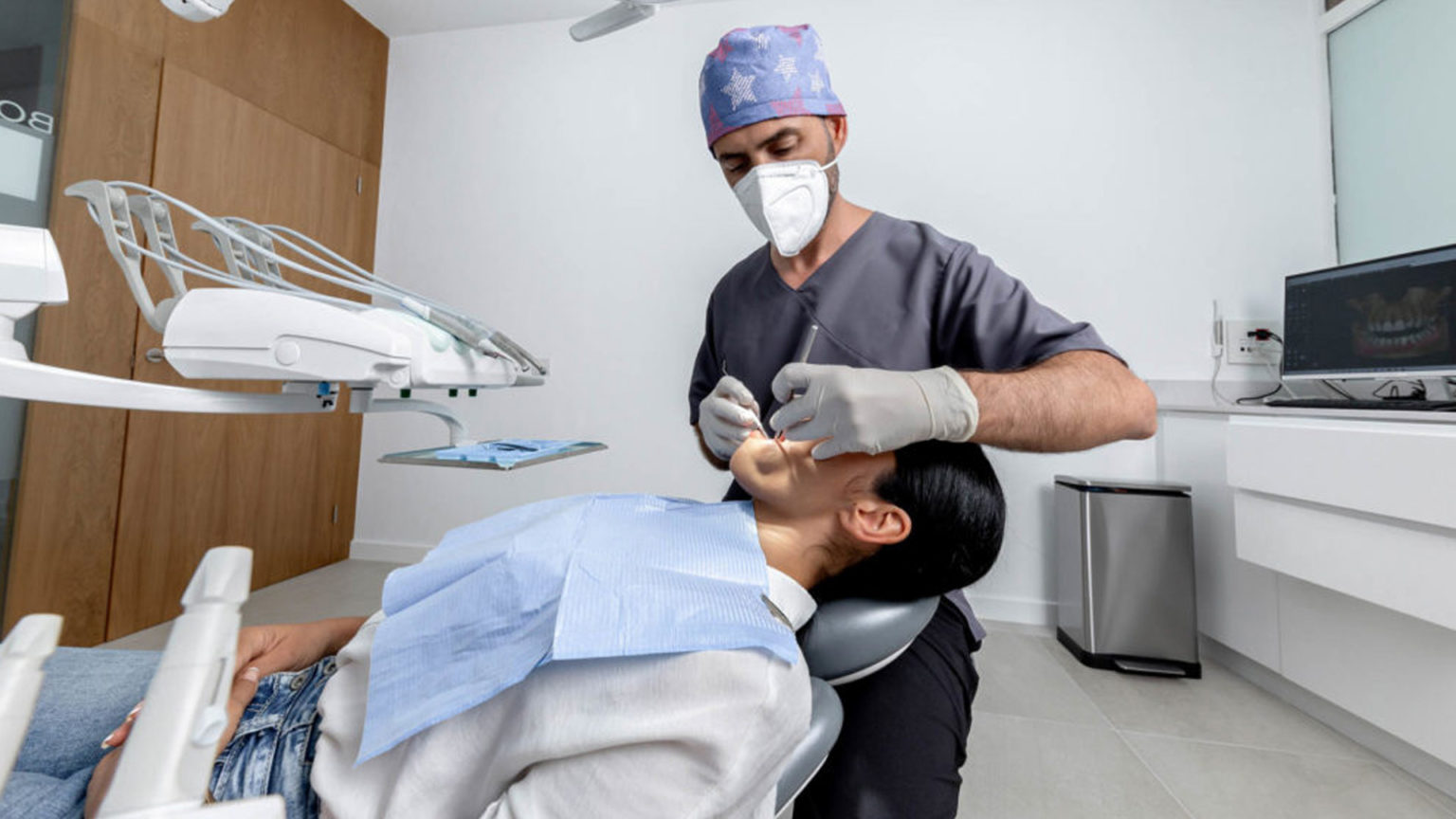
A tooth fracture has a way of changing the day in an instant. One bite on a hard olive pit, one elbow during a weekend basketball game, one old filling giving way under pressure, and suddenly a patient is holding a piece of a tooth in their hand, trying to decide whether this is a nuisance or a true emergency. In practice, it can be both.
What makes fractured teeth especially stressful is that they do not all look dramatic at first. Some are obvious, with a visible break line, bleeding around the gum, or sharp enamel edges that cut the tongue. Others begin as a vague sensitivity to cold water, a pain when chewing on one side, or a crack that only reveals itself under pressure. I have seen patients arrive convinced they only chipped a back tooth, only to find a fracture extending toward the nerve. I have also seen the opposite, where a front tooth looked alarming in the mirror but the structural damage was surprisingly limited and very repairable.
That uncertainty is the reason prompt evaluation matters. An experienced Emergency Dentist Beverly Hills is not simply looking at how much tooth appears missing. The real question is deeper: has the crack compromised the enamel only, entered the dentin, exposed the pulp, split below the gumline, or affected the root? The difference between those Emergency Dentist Beverly Hills scenarios determines everything about comfort, timing, and long-term outcome.
Why tooth fractures happen when people least expect them
Patients often imagine tooth fractures as sports injuries or obvious trauma, but many happen during ordinary routines. A healthy-looking tooth can still be vulnerable if it has a large old filling, hidden decay, enamel wear from grinding, or previous root canal treatment. Teeth that have been heavily restored can become less flexible over time. They function for years, sometimes decades, then one day fail under a force they once tolerated.
In Beverly Hills, there is another pattern worth noting. Busy schedules often lead people to postpone care for hairline cracks, worn teeth, or aging crowns that “still seem fine.” The postponement is understandable. Pain may come and go, and cosmetic concerns often feel more urgent than subtle changes in the back teeth. But the mouth is efficient at compensating. Patients chew on the other side, avoid ice, cut food into smaller bites, and adapt without realizing how close a compromised tooth is to breaking.
Unexpected fractures commonly stem from a few real-world situations:
- biting down on hard foods such as ice, nuts, popcorn kernels, or fruit pits
- facial trauma from sports, falls, or vehicle accidents
- nighttime grinding or clenching that creates cumulative stress
- large, older fillings that leave thin tooth walls unsupported
- untreated decay that hollows the tooth from within
What matters clinically is not the story alone, but the pattern it suggests. A clean chip after biting a fork usually points in one direction. A deep ache after months of intermittent pain points in another. That judgment is what turns an emergency visit from a rushed patch into a proper diagnosis.
The first few hours matter more than most people think
A fractured tooth is rarely a “wait and see” problem, especially if there is pain, temperature sensitivity, swelling, bleeding, or a missing piece from a front tooth. The reason is simple. Cracks propagate. A break that begins in a cusp can spread further with every bite. A tooth that might have been saved with a bonded restoration in the morning may require a crown or root canal by the weekend if the injury worsens.
Soft tissue damage is another issue. Sharp enamel and dentin edges can lacerate the cheek or tongue. If the fracture exposes dentin, cold air alone can trigger intense sensitivity. If the pulp is involved, the pain may move from intermittent to constant and throbbing, which patients often describe as “suddenly unbearable.”
There is also the cosmetic dimension, which should never be dismissed as vanity. A fractured front tooth affects speech, confidence, and work interactions immediately. For people in client-facing professions, on-camera roles, or public presentations, same-day stabilization can be as functionally important as pain control. In a place like Beverly Hills, where appearance and professional presence often overlap, that reality is part of emergency care, not separate from it.
What to do before you reach the dental office
The goal at home is not to fix the tooth. It is to protect the area, reduce contamination, and avoid turning a repairable fracture into a more severe one.
- Rinse gently with lukewarm water to clear debris and blood.
- If swelling is starting, apply a cold compress to the outside of the face in short intervals.
- Save any tooth fragment in a clean container, ideally with milk or saline if available.
- Avoid chewing on that side and stay away from very hot, very cold, or hard foods.
- Call an emergency dental office promptly and describe the pain, location, and whether the tooth is mobile.
A common mistake is testing the tooth repeatedly with the tongue or biting “just to see if it still hurts.” Repeated pressure can deepen an incomplete crack. Another frequent mistake is placing aspirin directly on the gum. That old home remedy can chemically irritate the tissue and complicate the exam. Over-the-counter pain medication may help some patients, but it should be used according to the label and within personal medical limits.
If the fracture followed a facial injury, there is an added layer of judgment. Difficulty opening the jaw, heavy bleeding, numbness of the lip, or concern about a jaw fracture moves this beyond routine dental urgency. In that setting, medical evaluation may be necessary alongside dental treatment.
Not every chip is the same emergency
Patients naturally want a quick answer to one question: how bad is it? The honest answer is that appearance can mislead. A small visible chip on an incisor may be simple to repair, while an almost invisible crack in a molar can threaten the tooth more seriously.
A superficial enamel chip is usually the least urgent category. It may feel rough, catch the lip, or look uneven, but if there is no sensitivity and no tenderness to biting, treatment can often be conservative. Polishing, bonding, or cosmetic edge recontouring may solve the problem.
A deeper fracture into dentin changes the picture. Dentin is softer and more porous than enamel, so exposed dentin often causes cold sensitivity and discomfort from air. These fractures usually need prompt restoration to seal the tooth and prevent bacterial penetration.
Once the pulp is involved, symptoms can escalate quickly. Patients may report lingering pain after cold, spontaneous throbbing, or a visible pink or red point where the tooth broke. At that stage, preserving the tooth may still be possible, but the treatment becomes more complex and time-sensitive.
Then there are vertical or subgingival fractures. These are the cases dentists approach with caution because prognosis depends on exact location and depth. A crack that runs below the gumline can make isolation, restoration, and long-term sealing far more difficult. A root fracture presents its own set of decisions. Sometimes a portion of the tooth can be saved. Sometimes extraction is the most predictable path.
How an emergency dentist evaluates a fractured tooth
A proper emergency exam is more than a glance and a quick X-ray. Fracture diagnosis can be deceptively difficult. Some cracks do not show clearly on standard radiographs, especially early on. An experienced clinician combines several tools: visual inspection, magnification, percussion testing, bite testing, periodontal probing, thermal testing, and imaging. The patient’s description matters too. “It hurts when I release my bite” suggests something different from “it aches all night.”
This is where an Emergency Dentist Beverly Hills earns their keep. Speed matters, but not at the expense of judgment. A rushed repair on the wrong diagnosis can fail quickly. For example, bonding over a structurally compromised cusp may buy only days if the remaining tooth walls are too weak. Conversely, recommending the most aggressive treatment before the pulp and fracture pattern are fully assessed can over-treat a salvageable tooth.
Many patients are surprised to learn that the dentist may numb the tooth, remove a loose fragment, place a protective temporary material, and schedule definitive treatment after symptoms settle or additional imaging is reviewed. That is not indecision. It is often the most prudent way to preserve options while controlling pain.
Treatment depends on the fracture line, not just the missing piece
When patients hear “fracture,” they often imagine one standard fix. In reality, there is a spectrum of treatment, and the best choice depends on remaining tooth structure, bite forces, esthetic demands, and whether the nerve is healthy.
Small front-tooth chips can often be restored beautifully with composite bonding. In skilled hands, the repair can blend with natural enamel so well that even close friends do not notice it. This is especially useful when the fracture is visible and the patient needs a fast cosmetic result.
Posterior teeth are different. Molars take heavy chewing loads, so strength often outranks pure appearance. If a cusp has fractured off but the tooth is otherwise sound, an onlay or crown may provide the reinforcement needed to prevent another break. If the fracture has irritated or infected the pulp, root canal treatment may be necessary before the tooth is restored fully.
Some fractures leave little structure above the gumline. In those cases, the discussion becomes more nuanced. Can the tooth be Emergency Dentist Beverly Hills predictably restored with crown lengthening, a post and core, or orthodontic extrusion? Or would extraction and replacement offer a better long-term prognosis? Good emergency care includes that candid conversation. Saving every tooth at all costs is not always the best medicine.
The difficult cases patients rarely anticipate
The hardest fractured teeth are not always the dramatic ones. Sometimes the challenge is the heavily restored molar with a crack line that disappears under an old amalgam. Sometimes it is the patient with no visible chip, but a distinct pain on chewing and a deep isolated periodontal pocket that raises suspicion for a vertical root fracture. Sometimes it is the front tooth that was traumatized years earlier and now breaks because it had become brittle and nonvital.
These edge cases require restraint and experience. A dentist may need to tell a patient that the next best step is provisional stabilization and monitoring, not immediate cosmetic finalization. That can be frustrating when the patient wants certainty on the spot. Yet honest dentistry often involves admitting what can be known today and what may only become clear after the tooth declares itself over days or weeks.
One clinical truth worth sharing is that fractures can be progressive. A tooth that tests normal immediately after injury may develop pulpal symptoms later. That does not necessarily mean the original treatment was wrong. It reflects the biology of a traumatized tooth. Follow-up is part of responsible care.
When cosmetic priorities and structural priorities collide
Beverly Hills patients often expect both immediate function and excellent esthetics, which is entirely reasonable. The challenge is that the most beautiful instant result is not always the strongest long-term result on the day of injury.
Take a fractured central incisor before an important event. A direct bonded repair can restore appearance quickly and effectively. But if the bite is unstable, if the fragment is large, or if there is suspicion of deeper trauma, the dentist may recommend a staged approach: immediate esthetic repair now, then reevaluation for veneers, crowns, or additional treatment later if needed. That sequence protects the tooth while respecting the patient’s real-life demands.
I have seen temporary repairs carry patients through weddings, board presentations, and film shoots with excellent short-term success. I have also seen rushed final restorations fail because the underlying crack pattern was more severe than the first visit suggested. The better path is usually the one that balances confidence today with durability tomorrow.
Pain, infection, and why waiting can narrow your options
Many people only seek urgent care once pain becomes intense. By then, the treatment menu may be smaller. A fresh fracture with a healthy pulp might be restored conservatively. The same fracture, left exposed for days or weeks while the patient continues chewing, may progress to irreversible inflammation or infection. Once bacteria gain access to the pulp, the tooth may need root canal treatment, or in advanced cases, may become unrestorable.
Swelling is a particular red flag. A swollen gum near a fractured tooth can indicate infection, especially if accompanied by a bad taste, pressure, or tenderness to touch. That situation should not be managed with hope and soft foods alone. It needs professional evaluation promptly.
There is also the problem of hidden cracks. Some patients ignore the issue because the pain comes only when eating certain foods. Intermittent symptoms can feel easy to dismiss. Yet that release pain, the sharp zing when the bite opens, is classic for a cracked tooth pattern that often worsens over time. These are the patients who sometimes call on a Friday night after the tooth splits more dramatically during dinner.
Choosing the right emergency dental care in Beverly Hills
Not every office handles dental emergencies with the same depth of experience or urgency. For an unexpected fracture, practical questions matter. Can the office see you the same day? Do they routinely manage trauma cases? Are diagnostic imaging, temporary stabilization materials, and restorative options available on site? If the tooth needs endodontic care or specialist coordination, how smoothly can that happen?
The phrase Emergency Dentist Beverly Hills should mean more than a listing online. It should reflect a practice that understands both the biological urgency of tooth fractures and the logistical needs of patients who cannot afford long delays, repeated guesswork, or patchwork referrals.
Good emergency care also includes communication. Patients deserve a clear explanation of what is known, what remains uncertain, what the immediate goal is, and what the next decision points will be. The best visits leave people calmer, not because every answer is simple, but because the plan is.
Recovery after treatment is usually straightforward, with a few caveats
After a fractured tooth is stabilized or restored, the next several days are informative. Mild soreness from the procedure, temporary bite awareness, and some sensitivity can be normal. But worsening pain, swelling, or the sense that the bite feels “high” should prompt a call back. A restoration that is even slightly too heavy can make a recently traumatized tooth feel significantly worse.
Patients are often told to stay on softer foods briefly, especially if a temporary restoration was placed. That advice is less about fragility and more about avoiding unnecessary stress while the dentist confirms the tooth’s response. If a crown is planned, the temporary phase gives useful feedback. If the tooth remains calm and functional, that supports a better prognosis. If symptoms escalate, the treatment plan may need to shift.
For people who grind or clench, long-term protection matters. It is not uncommon for a beautifully restored fractured tooth to suffer again if the underlying bite forces are not addressed. In those cases, a night guard is not an accessory. It is part of preserving the repair.
The outcome is often better than patients fear
The first look at a broken tooth can be unsettling. Blood, sharp edges, sensitivity, and a visible gap create understandable alarm. Yet many fractured teeth, even some that look severe, can be treated successfully when evaluated early. Modern bonding, ceramic restorations, endodontic therapy, and careful treatment planning give dentists more tools than patients realize.
The key is not optimism alone. It is timing and precision. A quick call, a prompt exam, a realistic diagnosis, and a treatment plan matched to the actual fracture line often make the difference between a manageable repair and a much larger problem.
If you are dealing with sudden pain, a chipped edge, a cracked molar, or a tooth that fractured during a meal or an accident, treat it like the urgent dental issue it may be. An experienced Emergency Dentist Beverly Hills can determine whether the injury is superficial, structurally significant, or threatening the nerve, then move quickly to protect both the tooth and your long-term oral health.
Dental Group of Beverly Hills
8641 Wilshire Blvd #125, Beverly Hills, CA 90211, United States
Phone: +1 (310) 929-6335
FAQ About Emergency Dentist Beverly Hills
What is considered to be a dental emergency?
Severe tooth pain, a knocked-out permanent tooth, a significant tooth fracture, or suspected dental infection needs prompt professional assessment. Contact a dentist to describe the problem and arrange appropriate care. Trouble breathing or swallowing, uncontrolled bleeding, or major facial injury requires immediate emergency medical attention.
How to tell if tooth pain is serious?
Pain that is severe, persistent, or accompanied by fever, facial swelling, or a bad taste should be assessed promptly by a dentist. The cause cannot be confirmed from symptoms alone. If swelling affects breathing or swallowing, call 911 or go to an emergency department.
What do I do if I have a dental emergency and no dentist?
Call a nearby dental practice that accepts urgent patients and explain your symptoms, when they began, and any recent injury. Ask about the earliest available assessment and what information to bring. For life-threatening symptoms, seek emergency medical care immediately instead of waiting for a dental appointment.
Ends · JOSUEZWHB073